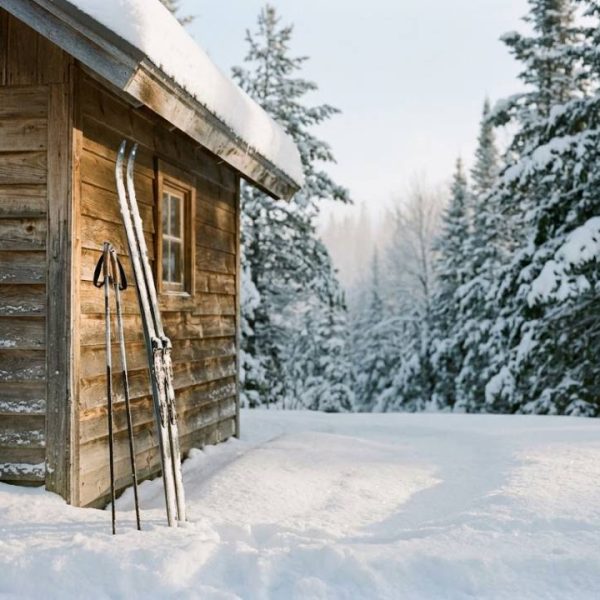
Good equipment makes cross country skiing easier, safer and far more fun. Yet a shop wall full of skis, boots and little tubes of wax can confuse any newcomer. This guide explains what you really need, what you can skip and how to keep your gear gliding smoothly.
Know the Difference Between Classic and Skate Gear
Classic skis are longer and designed for tracks, while skate skis are shorter and stiffer for open lanes. Choose the type that matches the style you plan to learn.
Choose Skis by Length and Stiffness
Length depends on your height and weight, and stiffness controls how well the ski springs under your foot. Ask a shop to measure you rather than guessing.
Waxless Skis Are a Great Start
Waxless skis have a textured base that grips the snow, so you can skip waxing at first. They suit beginners and occasional skiers very well.
Understand Boot and Binding Systems
Boots must match the binding standard on your skis. Check compatibility before buying and make sure the boot is warm and comfortable.
Fit Your Boots Properly
Wear the socks you plan to ski in and keep a little room for toes. Tight boots lead to cold feet and blisters.
Pick the Right Pole Length
Classic poles reach about to your armpit, and skate poles a little higher. Light poles with comfortable straps reduce fatigue.
Choose Clothing That Moves With You
Stretch fabrics, windproof front panels and breathable layers work best. Avoid cotton, which holds sweat and chills quickly.
Do Not Forget Small Accessories
A buff, thin gloves, sunglasses and a small backpack add comfort. Carry a spare hat and a thermos of warm drink.
Learn Why Wax Matters
Wax helps classic skis grip in the kick zone and glide along the rest of the base. Good waxing makes skiing smoother and less tiring.
Use Glide Wax for Speed
Glide wax is applied to the tips and tails of the ski. It reduces friction and helps you slide further with each push.
Choose Kick Wax by Temperature
Kick wax comes in colours for different snow temperatures. Check the label and apply thin layers in the grip zone of your skis.
Apply Wax Step by Step
Clean the base, apply a thin layer, let it cool and brush it smooth. A well prepared base improves glide on the first outing.
Know When to Ask for Help
Rental shops and ski clubs often wax skis for a small fee. Ask them to show you the process before trying it yourself.
Store Skis Carefully
Dry the bases, apply storage wax at season end and keep skis in a cool, dry place. Good storage prevents damage and mould.
Follow Trail Information From Official Sources
Ski federations and tourist boards publish useful safety and trail advice. The International Ski Federation is a good place to read about the sport.
Shop in Another Language Without Stress
Equipment sites abroad may offer better prices but confusing descriptions. A english to ukrainian translation of product details and size tables helps Ukrainian speaking skiers choose the right gear.
Be Careful With Automatic Translation
Machine output can mix up technical terms such as flex, camber and kick zone. Reading about why google translate fails shows why important product details need human review.
Try Before You Buy
Rent for a few outings and ask friends to let you try their skis. Real experience shows which features matter to you.
Buy Used Equipment Wisely
Second hand skis can be a bargain, but check the base for deep scratches, the camber and the binding condition. Avoid broken or heavily worn items.
Compare Prices at the End of Season
Shops discount equipment in spring. If you can wait, you may find last season models at much lower prices.
Check Warranty and Service
A shop that offers repairs and advice is worth a little extra. Good service extends the life of your gear.
Carry a Repair Kit on Long Tours
Spare pole baskets, a small tool and a strap can solve problems far from the car. Keep the kit light.
Protect Your Skis During Transport
Use a ski bag or straps with pads and keep bases facing each other. Careful transport avoids scratches and damaged edges.
Care for Your Boots
Dry them at room temperature and remove the inner soles. Avoid direct heat, which can warp them.
Keep Equipment Clean
Wipe off snow and dirt after each outing. Clean gear lasts longer and works better.
Learn From Other Skiers
Club members and trail neighbours often share wax and gear tips. Friendly advice is free and usually accurate.
Invest Gradually
Start with the essentials and upgrade as your skills grow. Spending slowly keeps the hobby affordable.
Enjoy Every Outing
The best equipment is the one that lets you relax and enjoy the snow. Keep it simple and have fun.
Final Thoughts
Nordic skiing does not require a big budget, only sensible choices. Start with comfortable boots and waxless skis, learn the basics of wax and look after your gear. With the right equipment, every winter outing becomes a pleasure.