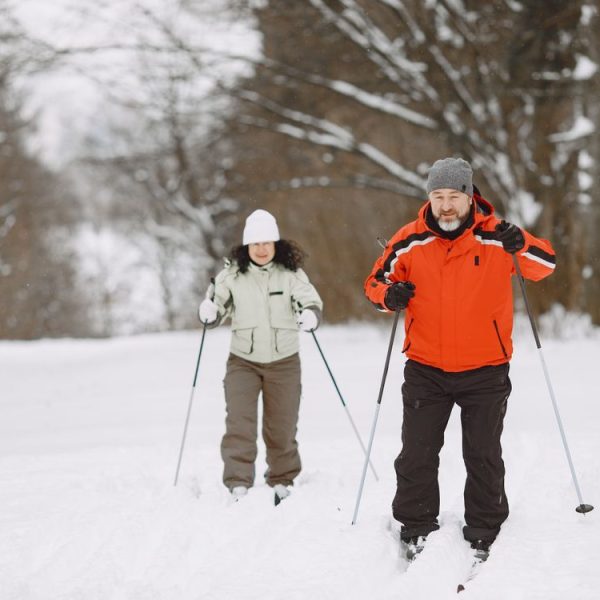
Not every groomed track suits every skier
A Nordic trail can feel like a gentle stroll on one day and a hard workout on the next. Snow quality changes the speed. Wind changes the effort. A track that looked easy on the map may include a long climb that empties your legs after the first hour. Choosing a trail that matches your level keeps the day enjoyable and protects you from the kind of fatigue that ends a holiday early.
Read the trail colour and the profile
French Nordic areas use a colour system similar to downhill pistes. Green trails are short and flat. Blue trails add gentle slopes. Red trails require good control on descents. Black trails are long and technical. Look also at the elevation profile on the trail map because total climb tells you more about effort than distance alone. A flat ten kilometres is easier than a hilly six.
Know the difference between classic and skating
Classic skiing follows parallel grooves and feels natural for most beginners. Skating uses a wide groomed lane and demands balance and timing. Each style needs different skis and boots and sometimes different poles. Rent equipment only for the style you plan to use. Many areas offer a first lesson that shows the basic movements in an hour and prevents bad habits.
Start with a lesson and not with pride
Many adults refuse lessons because the sport looks easy. Then they spend a week fighting the skis. A short session with an instructor teaches the diagonal stride and how to climb and how to stop. Those three skills change the whole experience. Ski schools in small valleys often run on thin margins so book early and check the language of the instruction.
Running a ski school as a business
Instructors who serve visitors from several countries soon need contracts and waivers and price lists in more than one language. A provider of business translation services can turn those documents into clear versions without legal traps. Customers sign with more confidence when they understand what the insurance covers and what happens if the snow melts on the booked day.
Organising a group trip without chaos
A club weekend or a corporate retreat involves lodging and lessons and meals and transport. Keep everything in one place. A shared board or an ai project management tool lets the organiser assign tasks and track payments and send reminders. Fewer messages get lost and guests arrive knowing the plan. Whoever carries the project will thank you at the end.
Check the snow report every morning
Conditions vary by altitude and by orientation. A north facing track keeps snow longer. A valley floor trail may turn slushy by noon. Read the grooming report published by the area and look at the temperature forecast. Plan your longest outing early in the day when the surface is firm and the sun has not softened it.
Understand the mountain weather
The national forecaster Meteo France publishes detailed mountain bulletins including wind and avalanche risk where relevant. Read them the night before and again at breakfast. A sudden drop in temperature or a rise in wind can turn a pleasant loop into a cold struggle. Carry an extra layer and a thermos even on short outings.
Follow the federation guidance
The French Ski Federation publishes information on safety and etiquette for ski activities. Yield to faster skiers when they approach from behind. Keep out of the classic grooves if you are walking. Respect the direction of travel marked on loops. These simple rules keep everyone safe and make shared trails pleasant.
Dress in layers and keep moving
Cross country skiing generates a lot of heat. Wear a base layer that moves moisture away and a light mid layer and a windproof shell. Use thin gloves and a hat that covers the ears. Pack a dry shirt for the end of the day. Cotton is a poor choice because it stays wet and cold against the skin.
Fuel the effort
A long Nordic outing burns more energy than most beginners expect. Carry water or a warm drink and a snack with carbohydrates and a little salt. Eat before you feel hungry. Many trail side cafes in France serve a simple lunch and a hot chocolate that rewards a morning on skis and keeps the afternoon enjoyable.
Respect nature and neighbours
Nordic trails cross pastures and forests where animals shelter in winter. Stay on marked tracks and keep dogs under control where they are allowed. Take rubbish home. Avoid loud groups in quiet valleys. A trail network survives only when visitors treat it with care and local volunteers can keep grooming.
Build skill step by step
After a few outings extend the distance by a small amount. Try a slightly hillier loop. Practise the downhill position on gentle slopes. Record how you feel each day. Progress arrives faster when you give the body time to adapt and do not chase a big goal in a single weekend.
Choose lodging near the tracks
Staying within a short walk of the trailhead saves energy and time. Look for places with a boot room where wet gear can dry overnight. Ask whether the host provides a simple wax bench or storage for skis. A comfortable base with a hot meal waiting makes long days outside far more rewarding for beginners and families.
Travel with children
Children enjoy short loops with games along the way. Bring a small thermos and a surprise snack. Stop often and let them play in the snow. Avoid pushing for distance. A positive first experience on skis matters more than kilometres and makes the next winter trip easier to plan for everyone.
Keep a small trail log
Note the date the trail name and the conditions after each outing. Over a season the log shows what worked and which routes you want to repeat. It also helps you recommend places to friends and plan next year with real information instead of vague memories of a snowy afternoon.