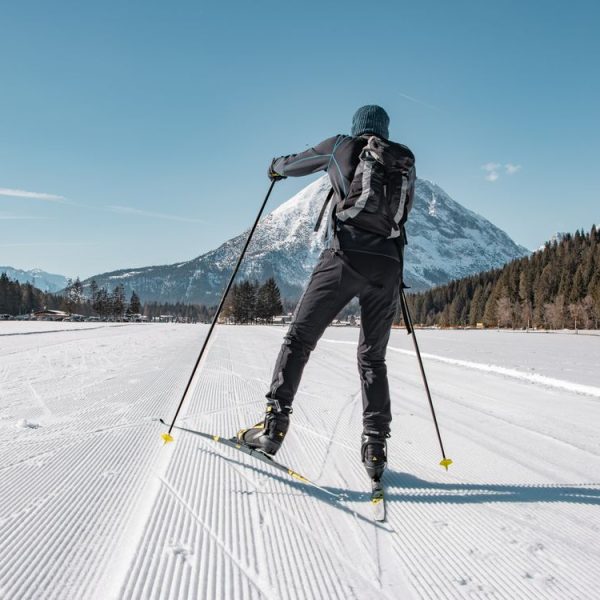
Why the Jura suits a Nordic week
The Jura massif sits along the border with Switzerland and offers wide forest trails and rolling meadows that are ideal for cross country skiing. Villages are small and the snow is often reliable thanks to the altitude. Visitors find quiet loops and warm farm kitchens rather than crowded lift queues. For a first Nordic week it is a calm and friendly place to learn the sport.
Pick the right dates
The best snow usually falls between January and early March. School holidays bring more families and higher prices. A week outside those windows costs less and leaves the tracks empty on weekday mornings. Check the local snow report before you pay a deposit and ask the lodging about their policy if the snow fails and the trails close.
Getting there without stress
Most visitors arrive by car from Geneva or Lyon or Dijon. Winter tyres or chains are often required on mountain roads. Allow extra time for the final stretch because snow can slow traffic. Trains reach larger towns and local buses or shared taxis cover the last kilometres. Book transport early in holiday weeks because small valleys have limited seats.
Choose a base that fits your group
Farmhouses and small hotels near the trailhead are ideal. Look for a boot room and a drying cupboard. Families may prefer a chalet with a kitchen. Solo travellers often enjoy guesthouses where meals are shared. Read recent guest comments about heating and noise because winter nights are long and a cold room can ruin a good trip.
Equipment you really need
Rent skis and boots and poles from a local shop that can adjust them to your height and style. Bring your own gloves and a warm hat and sunglasses. Pack a small rucksack for water and snacks. A basic repair kit and a spare pair of socks are cheap insurance. Leave heavy cameras at home unless photography is your main goal.
A simple daily rhythm
Start slowly with a short loop in the morning and a lunch break at a trail side cafe. Rest in the afternoon or try a second easy loop. Evenings are for hot food and early sleep. This rhythm lets your body adapt without strain. By the fourth day most beginners feel the stride relax and the loops feel shorter.
Running a small lodge for Nordic guests
If you own a guesthouse in the valley you know the season is short and every booking matters. Your web page and your leaflets and your welcome sheet must speak to visitors from several countries. A specialist in advertising translation services can turn local charm into texts that attract bookings without sounding artificial. Good wording sells the experience before the guest arrives.
Billing guests and groups
Clubs and companies often ask for proper invoices. Prepare a standard layout that includes your tax details and the stay dates and the total with taxes. A simple online invoice generator creates a clean PDF in minutes and keeps numbering consistent. It also helps when you handle deposits and balance payments from foreign customers who expect clear documents.
Where official information helps
The regional site of Jura Tourism lists accommodation and events and trail conditions in the area. It is a good place to learn which villages offer lessons and equipment rental. Owners can also use it to understand how visitors search for the region and which services they expect to find nearby.
Understanding the visitor market
The national agency Atout France publishes research on visitors to France and their habits. For lodge owners the data shows which countries send the most winter guests and what they value. Use it to decide which languages deserve a translated page and which seasonal offers could attract more families or small groups.
Safety on and off the track
Tell someone your plan before leaving on a longer loop. Carry a charged phone and a small first aid kit. Stay on marked trails and turn back if the weather changes. Know the local emergency number. Most problems on Nordic trails are small but a cold wind and a twisted ankle can become serious far from the village.
Taste the local food
The Jura is famous for cheese and cured meats and wine. After a day on skis a hot plate of local specialities feels like a reward. Try soups and potato dishes and desserts made with regional products. Eating at small family restaurants also supports the villages that groom the trails and keep the winter economy alive.
Take the lessons home
At the end of the week write down what worked and which trails you loved. Photograph the trail maps for next time. Share your experience with friends who might join you next winter. A good first Nordic week creates a habit that can last for decades and takes you to many other snowy valleys.
Other activities when the snow is soft
A warm afternoon can turn the trails heavy. Use that time for a visit to a cheese dairy or a walk in the village. Snowshoeing is a gentle alternative that needs no technique. Many lodges also organise evenings with local guides who explain the history of the forest and the farms that shape the landscape.
Budget for the week
Count lodging and food and equipment rental and lift or trail passes. Add a small reserve for lessons and for a restaurant evening. Prices are lower than in big alpine resorts and the value per euro is high. Planning the budget in advance avoids the stress of surprises at the end of a trip.
Respect quiet hours and local rules
Mountain villages value calm evenings and early mornings. Keep noise low and follow parking rules. Leave the boot room tidy. Local people maintain trails with little funding and welcome visitors who show respect. A friendly attitude often brings a tip about a hidden loop or a better time for the best snow.
Plan the return trip
Before leaving note the dates you would like to return and contact the lodge for next winter. Early booking often earns a better price. Many owners also keep a list of loyal guests and send news about snow and events. A relationship built over several winters turns a simple stay into a tradition.