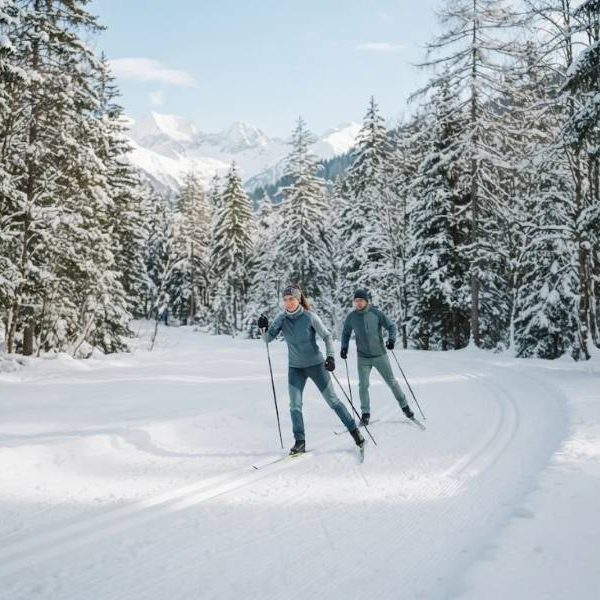
Cross country skiing, also called Nordic skiing, is one of the most peaceful ways to enjoy winter. In the French Alps and the Jura, quiet forests and open plateaus are linked by groomed trails. You glide at your own pace, breathe fresh air and finish happily tired. This guide helps beginners prepare.
What Nordic skiing is
Nordic skiing uses light skis with free heels and flat terrain or gentle hills. It differs from downhill skiing, which depends on lifts and steep slopes.
It is an easy sport to start, because the speed is low and you control your effort.
Classic and skating styles
Classic skiing follows parallel tracks with a kick and glide motion. Skating uses a side to side push similar to ice skating.
Beginners usually start with classic because it feels natural.
Why France is a great destination
France has hundreds of kilometers of marked trails in the Alps, Jura and Vosges. Many resorts combine Nordic areas with villages that serve hearty local food.
Trails are graded by color, which helps you choose your level.
Official travel information
The national tourism site presents regions, events and practical advice for winter visitors. Start at France.fr and then check each resort website for snow reports.
Always confirm trail openings before driving up the mountain.
Rent your first equipment
Rental shops provide skis, boots and poles in the right size. Staff help adjust everything to your height and weight.
Try different lengths and ask questions about waxless bases, which are easiest for beginners.
Dress in layers
Cross country skiing makes you warm quickly. Wear a thin base layer, a light insulating layer and a windproof shell.
Carry a spare hat and gloves for rest breaks.
Take a lesson
A short lesson with a certified instructor teaches balance, kick and glide, braking and falling safely. It shortens the learning curve and prevents bad habits.
Many resorts offer group classes in several languages.
Language on the mountain
Instructors and rental staff mostly speak French, and English is common in popular resorts. Safety signs, trail maps and rules are in French.
Our guide to French to English translation helps travelers understand why some terms do not translate directly.
Services for visitors
Tourist offices, hotels and ski schools that welcome international guests often rely on French translation services to prepare brochures, booking pages and safety information.
Clear language prevents misunderstandings about prices and rules.
Learn the basic movements
Start on flat ground to practice shifting weight from one ski to the other. Keep your knees soft and your gaze ahead.
Use poles for rhythm, not just for pushing.
How to stop and fall
The snowplow position slows you down on gentle descents. If you lose balance, sit down to the side instead of forward.
Practice falling and standing up on a flat area.
Read the trail signs
Green trails are easy, blue are moderate, red are difficult and black are for experts. Signs show distance, direction and one way sections.
Stay on marked trails and respect closures.
Pay for access
Many Nordic areas charge a small fee that supports grooming. Buy a daily pass at the ticket office or online.
The fee maintains the quality of your skiing.
Prepare your fitness
You do not need to be an athlete, but a basic fitness level makes the day more enjoyable. Walking, cycling and light strength work help.
Stretch before and after skiing.
Check snow and weather
Snow quality changes with temperature and time of day. Fresh powder is slower, while packed tracks are faster.
Avoid skiing in storms, high wind or poor visibility.
Safety on the trails
Tell someone your route and carry water, a snack and a charged phone. Know the emergency number in France is 112.
Turn back before you are exhausted.
Respect nature and others
Do not walk or snowshoe on ski tracks, and give way to faster skiers. Wildlife needs quiet in winter, so stay on trails.
Take your trash home.
Where to stay
Small hotels, chalets and gites offer comfortable stays close to trails. Many have saunas and local restaurants.
Book early for school holidays and weekends.
Eat for energy
Local dishes such as tartiflette, fondue and soups restore energy after a long day. Carry a snack, like nuts or dried fruit, on the trail.
Drink warm tea or water regularly.
Try a rest day activity
Snowshoeing, a thermal spa visit or a village market give variety. Your muscles will thank you.
Many resorts offer guided evening walks.
Choose the best season
January and February usually have the best snow, though high altitude trails stay open later. Spring skiing is sunny but snow gets soft.
Check altitude and recent snowfall.
Travel to the resorts
Trains and buses serve many villages, and some resorts have shuttle services. Winter driving may require snow tires or chains.
Plan extra time for weather.
Keep it fun
Do not try to go fast on the first day. Enjoy the quiet, the light on the snow and the feeling of gliding.
You will probably be hooked by the end of the first afternoon.